
Introduction to Electric Bicycles for Beginners
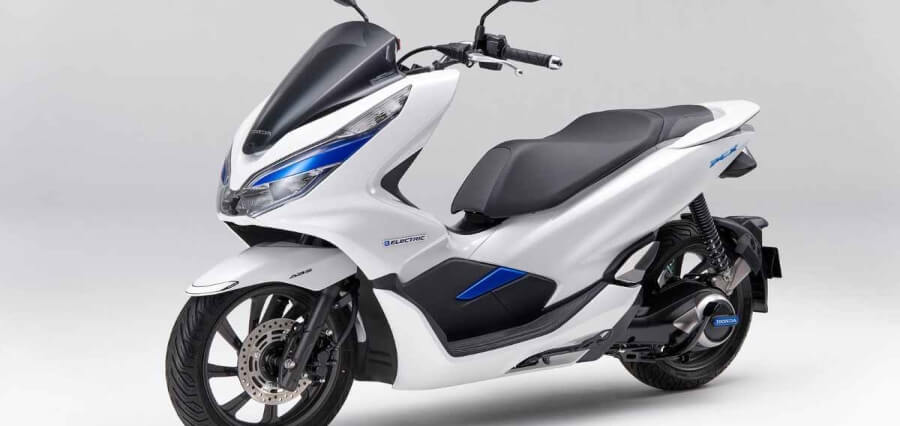
Electric bikes, or e-bikes, have surged in popularity as a convenient and environmentally friendly mode of transportation in recent times. These bikes are equipped with an electric motor and a battery that assists the rider in pedaling and covering long distances. With a plethora of styles and models flooding the market, choosing the right e-bike can be overwhelming for beginners. To simplify the process, let’s delve into the basics of e-bikes and provide a comprehensive guide to selecting and riding them.
### Benefits of E-Bikes
Before delving into the details, it’s essential to understand why electric bikes are gaining traction in the market. Here are some benefits of using an e-bike:
– **Eco-Friendly:** E-bikes produce zero emissions, making them a sustainable mode of transport.
– **Easy to Use:** Riders of all ages and fitness levels can easily operate e-bikes with motor assistance.
– **Cost-Effective:** E-bikes save money in the long run due to low maintenance and no fuel costs.
– **Faster Commute:** Motor assistance allows riders to cover greater distances in less time compared to traditional bikes.
### Types of E-Bikes
Several types of e-bikes cater to different purposes in the market:
– **City/Commuter E-Bikes:** Ideal for urban commuting with features like fenders, lights, and racks.
– **Mountain E-Bikes:** Designed for off-road terrain with robust tires and sturdy frames.
– **Folding E-Bikes:** Compact and foldable for easy storage in limited spaces.
– **Cargo E-Bikes:** Equipped with higher load capacity for errands or transporting goods.
– **Road E-Bikes:** Lightweight frames for efficient and fast rides on roads.
### Factors to Consider When Selecting an E-Bike
Once you understand the types of e-bikes available, consider these factors when choosing the right one for you:
#### Battery Life and Range
The battery is crucial as it powers the motor, and the range varies based on the type and model of the e-bike. On average, a single charge can cover 20-50 miles.
#### Motor Power
The wattage of the motor indicates its power, with most e-bikes ranging from 250 watts to 750 watts.
#### Bike Weight and Frame Material
Consider the weight and material of the frame based on the terrain you’ll be riding on for a smoother experience.
#### Price
Set a budget and find e-bikes within that range, keeping in mind that higher-priced e-bikes offer better quality and features.
#### Test Ride
Prioritize test-riding an e-bike to ensure it suits your needs and preferences before making a purchase.
### Riding an E-Bike
To ensure a safe and enjoyable riding experience, follow these tips:
#### Familiarize Yourself with the Controls
Understand the pedal assist levels and battery indicators before riding an e-bike for effective usage.
#### Start Slow
Take it easy and gradually increase your speed to get accustomed to the engine support.
#### Use Pedal-Assist Levels
Experiment with different pedal-assist levels to find the one that suits your riding style.
#### Observe Traffic Laws
Adhere to traffic regulations, use marked bike lanes, obey signals, and ride on the right side of the road.
#### Maintenance
Regular maintenance is vital for the longevity of your e-bike. Keep the battery charged, clean the bike after each ride, and schedule professional servicing annually.
### Conclusion
E-bikes provide a comfortable and eco-friendly mode of transportation for individuals of all ages and fitness levels. When selecting an e-bike, consider factors like battery life, motor power, weight, and price. Always test ride the bike before purchasing and adhere to traffic rules while riding. With proper maintenance, your e-bike can offer years of stress-free riding pleasure.